Details
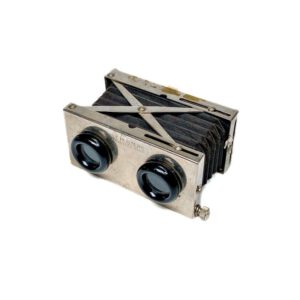
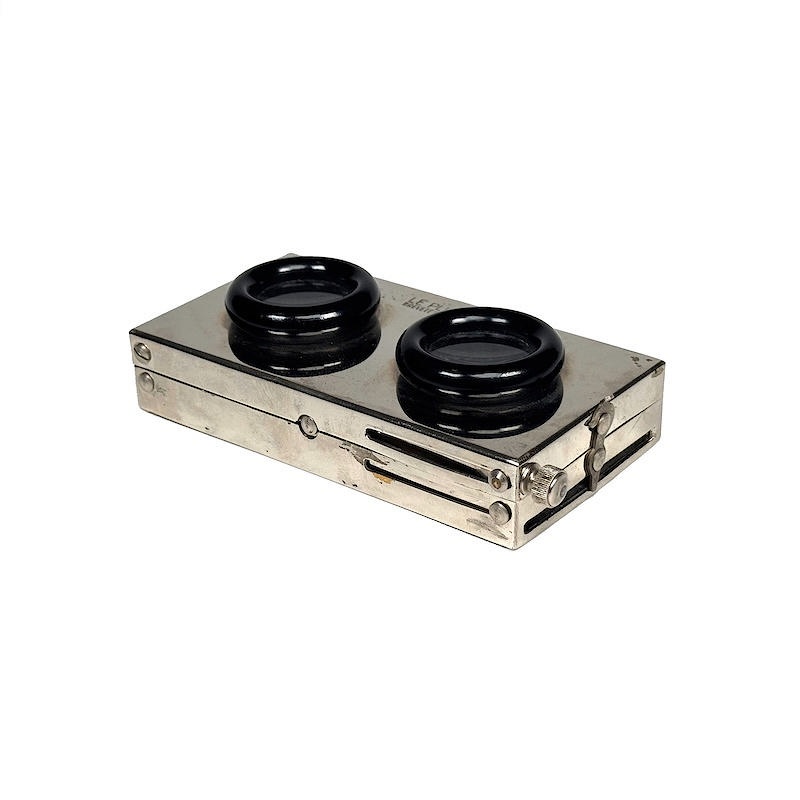
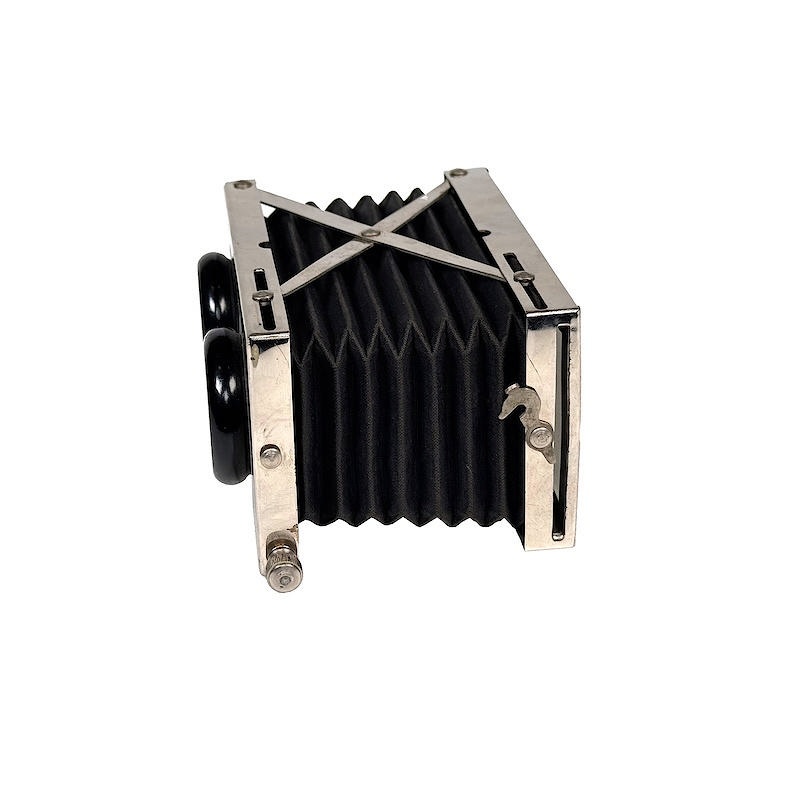
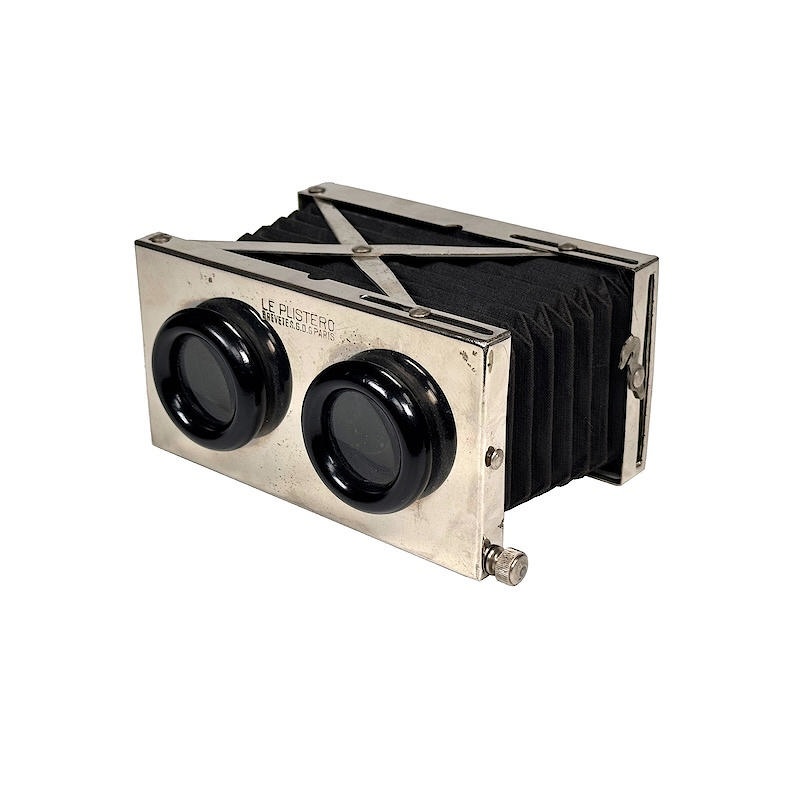
Camille Le Tallec filed patent FR 737.107 on 14 May 1932 “for improvements to stereoscopes intended for viewing transparent images,” through the addition of a bellows that eliminated stray light and provided greater viewing comfort.
This stereoscope was also designed to be foldable, quickly set up, and equipped with adjustable focusing. Its name, Plistero, probably derives from a contraction of the French words pliant (folding) and stéréo. In the description of his patent, Le Tallec targeted commercial users who could use the device to show their products quickly and in three dimensions, without having to transport heavy and bulky equipment.
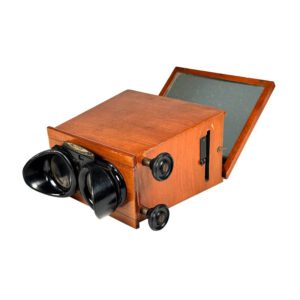
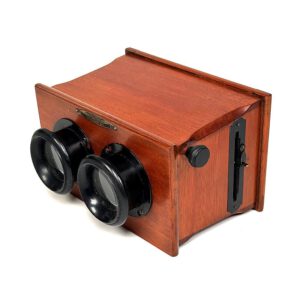
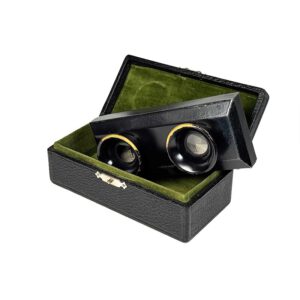
One application of this kind is known. The Établissements Klein , an important piano manufacturer, offered its customers a mahogany case containing a Plistero and views of its products on Lumichrome film.
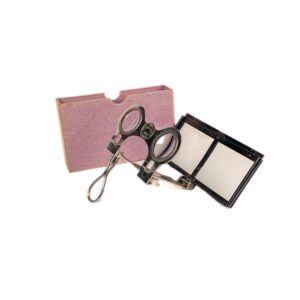
The Plistero was also manufactured and distributed in 45x107mm and 6x13cm formats for amateur use.
(from: Moulinier et al. Histoires de visionneuses stéréoscopiques françaises. Limoges, 2025, p. 228. Author’s translation.)